The Premier Aviator Game Provider and Authorized Spribe API Aggregator!
The online gaming industry in Brazil is becoming increasingly competitive, and gaming operators are looking for engaging game content that can be integrated into their platforms quickly and reliably. Crash games such as Aviator have gained attention because of their simple gameplay, real-time interaction, and mobile-friendly experience.
For operators planning to add this type of game to an online casino, sportsbook, or gaming platform, an Aviator Game API Brazil solution provides a practical way to connect the game with an existing platform without developing the entire gaming system from scratch.
An API acts as the communication layer between the game provider and the operator's platform. It can handle important functions such as game sessions, player information, betting transactions, game results, wallet communication, and real-time game data. Depending on the integration model, operators can connect through a direct provider integration or through an API aggregator.
An Aviator Game API is a technical interface that allows an online gaming platform to connect with an Aviator game environment.
Instead of building the complete game engine, betting system, game interface, transaction processing, and backend infrastructure independently, an operator can use an API to connect these components with its existing platform.
A typical API integration may involve:
For crash games, real-time communication is particularly important because the multiplier changes continuously and players need accurate information while a round is running.
Brazil's gaming market has created opportunities for operators and gaming businesses that want to offer localized digital gaming experiences. However, launching a game successfully involves more than simply adding a game interface to a website.
Operators need reliable communication between the game and their existing platform.
An Aviator API Brazil integration can help connect the gaming content with important parts of an operator's infrastructure, including its player account system, wallet, payment environment, reporting system, and casino interface.
The exact technical and operational requirements depend on the operator, game supplier, integration model, and applicable Brazilian regulations. Businesses should therefore verify licensing, responsible-gaming, payment, identity-verification, and market-access requirements before launching.
Crash games depend heavily on real-time information. The multiplier, game status, betting activity, and round results need to be synchronized between the game server and the operator's platform.
A properly designed API integration can support real-time communication so that players receive updated game information without unnecessary delays.
The API can help establish and manage player sessions when a user launches the game.
A typical session flow may include:
This reduces the need for operators to create a separate account system specifically for the game.
Wallet integration is one of the most important parts of any gaming API.
The API needs to communicate with the operator's wallet so that betting transactions and winnings are correctly reflected in the player's balance.
A typical wallet flow includes:
Reliable transaction handling is essential because even a small synchronization problem can create balance discrepancies.
Operators can connect the game directly to their casino lobby or gaming platform.
When a player selects Aviator, the platform can generate or request the appropriate game session and launch the game within the operator's preferred environment.
This creates a smoother user journey because the player does not need to move between unrelated platforms.
An API can transfer important game events between the gaming server and operator platform.
These may include:
Fast and accurate data synchronization is especially important in crash games because gameplay takes place in real time.
Gaming platforms handle sensitive account and financial information, making security a major consideration during API integration.
A professional implementation should consider secure authentication, encrypted communication, access controls, transaction IDs, request validation, logging, and protection against duplicate or unauthorized requests.
Operators may also require information about game activity for business analysis and operational monitoring.
Depending on the API and integration model, reporting capabilities can include:
This information can help operators monitor platform performance and identify technical issues.
There are several ways an operator can approach API integration.
The first option is to integrate directly with the original game provider or authorized source.
This approach can provide a direct technical relationship and access to the required integration documentation and credentials. However, it can also require more technical preparation, certification, commercial agreements, and ongoing maintenance.
Direct integration can be suitable for established operators with their own development and technical teams.
Another option is using an API aggregator.
An aggregator acts as an integration layer between the operator and multiple game providers. Instead of developing separate integrations for every provider, the operator can use a standardized API environment where available.
This approach can simplify development and make it easier to expand the platform's game portfolio.
For businesses that want faster deployment and centralized game management, an aggregator-based model can be practical.
Some businesses may prefer a more complete solution rather than handling the entire technical integration themselves.
A managed or white-label solution can combine game integration, platform configuration, backend connectivity, wallet integration, technical support, and deployment assistance.
This model can be useful for businesses that want to launch a gaming platform while reducing the amount of internal development work required.
However, operators should carefully evaluate the provider's technology, ownership terms, security practices, support capabilities, game licensing, and market compliance before selecting a solution.
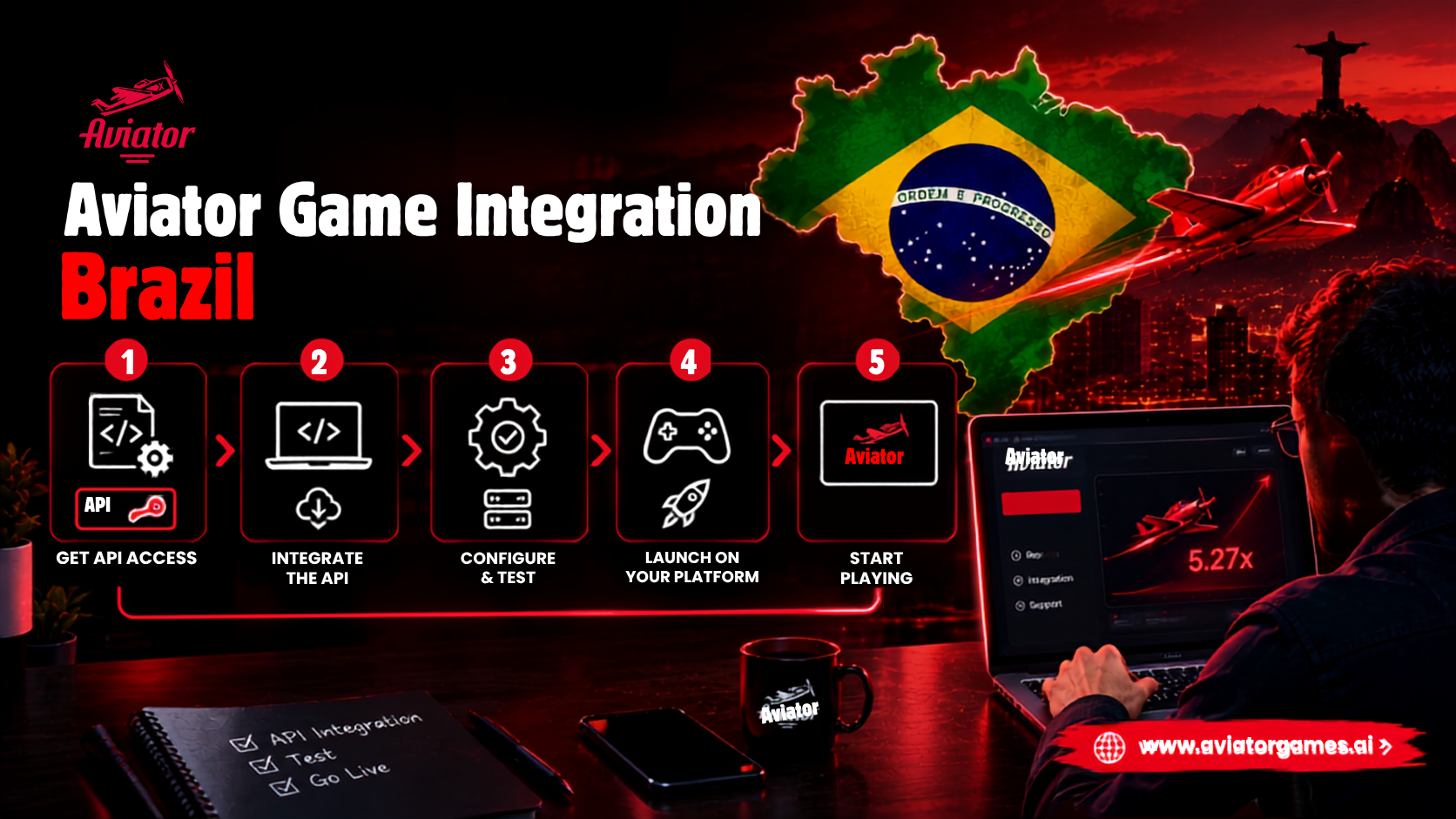
Although the exact architecture differs between providers, the general process is straightforward.
The operator receives the necessary API credentials, documentation, endpoints, and technical requirements.
The development team configures the gaming platform to communicate with the API.
This may include authentication, game identifiers, currencies, player sessions, and environment settings.
The API is connected to the operator's wallet system so that betting and winning transactions can be processed correctly.
The game is added to the operator's casino or gaming lobby. When a player selects it, the platform creates the required session and launches the game.
Before production launch, developers should test different scenarios, including successful bets, rejected transactions, network interruptions, duplicate requests, wallet errors, game completion, and high traffic.
After successful testing and the necessary commercial and compliance checks, the integration can be deployed to the live platform.
Using an API can significantly reduce the development work required to connect a game to an existing platform.
Instead of developing every game component internally, operators can connect existing systems through defined API interfaces.
Real-time game communication, quick game loading, seamless wallet interaction, and mobile-friendly interfaces can contribute to a smoother player experience.
API-based architecture can make it easier for operators to add additional games and gaming services in the future.
A well-documented API provides predefined methods for communicating with the gaming system. This can reduce the amount of backend development required compared with building the complete gaming infrastructure independently.
Depending on the solution, operators can manage game configuration, transactions, reporting, and other operational functions through a centralized environment.
A properly designed gaming API should be capable of handling increasing player activity and transaction volumes. Scalability is particularly important when traffic increases during peak periods.
Choosing an API provider should not be based only on price. Operators should evaluate the complete technical and business solution.
Important factors include:
API Documentation: Clear and complete documentation helps developers understand endpoints, authentication, callbacks, transaction flows, and error handling.
Integration Support: Technical assistance can make the integration process easier, particularly when connecting the API with an existing casino platform.
Wallet Compatibility: Check whether the API can work with the platform's existing wallet architecture.
Security: Evaluate authentication, encryption, access controls, logging, and transaction protection.
Performance: Real-time games require reliable infrastructure and low-latency communication.
Scalability: The solution should be able to support increased player and transaction volumes.
Game Availability: Confirm exactly which game versions and related gaming content are included.
Reporting: Check whether the provider offers useful transaction and game-performance information.
Support: Responsive technical support is important when dealing with production gaming systems.
Compliance: Confirm that the planned deployment meets the legal, licensing, responsible-gaming, and technical requirements applicable to the intended Brazilian market.
Developing a gaming API integration requires more than connecting one endpoint to another. The complete system needs to coordinate player sessions, game communication, wallet transactions, security, error handling, reporting, and platform performance.
A professional provider can help businesses with API access, integration, technical configuration, game deployment, wallet connectivity, testing, and ongoing technical assistance.
For businesses looking for an Aviator Game API Brazil solution, AviatorGames.ai provides API-based gaming solutions designed to help operators and gaming businesses connect Aviator-style gaming content with their platforms, with integration support and technical assistance for deployment.
An Aviator Game API Brazil solution can provide a practical way for gaming operators to add crash-game functionality to an existing casino or gaming platform.
The main value of an API is not simply access to a game. It is the ability to connect the game with the wider platform infrastructure, including player accounts, wallets, transactions, real-time game data, reporting, and management systems.
Before choosing a provider, businesses should evaluate API documentation, integration flexibility, security, performance, wallet compatibility, scalability, technical support, commercial terms, and regulatory requirements.
With the right technology partner and a properly planned integration, operators can create a more connected gaming environment while reducing unnecessary development complexity and preparing their platform for future expansion.
1. What is an Aviator Game API Brazil?
An Aviator Game API Brazil is an integration solution that allows gaming platforms to connect Aviator-style crash gaming content with their existing casino or gaming systems. It can support game sessions, wallet communication, betting transactions, real-time game data, and results.
2. How can Aviator API Brazil be integrated into an online gaming platform?
Integration generally involves connecting the API with the platform's backend, player authentication system, wallet, and gaming interface. Developers configure API credentials and endpoints, test transactions and game sessions, and then deploy the integration after successful testing.
3. What are the benefits of using an Aviator Game API?
An Aviator Game API can help reduce development complexity, speed up game deployment, support real-time gameplay, connect with existing wallet systems, and provide reporting and transaction management capabilities.